


Wednesday was supposed to be a good day for crypto. The Fed cut rates by 0.25% on December 10, which is exactly what the market wanted. Bitcoin had already pumped to $94,700 earlier that day.
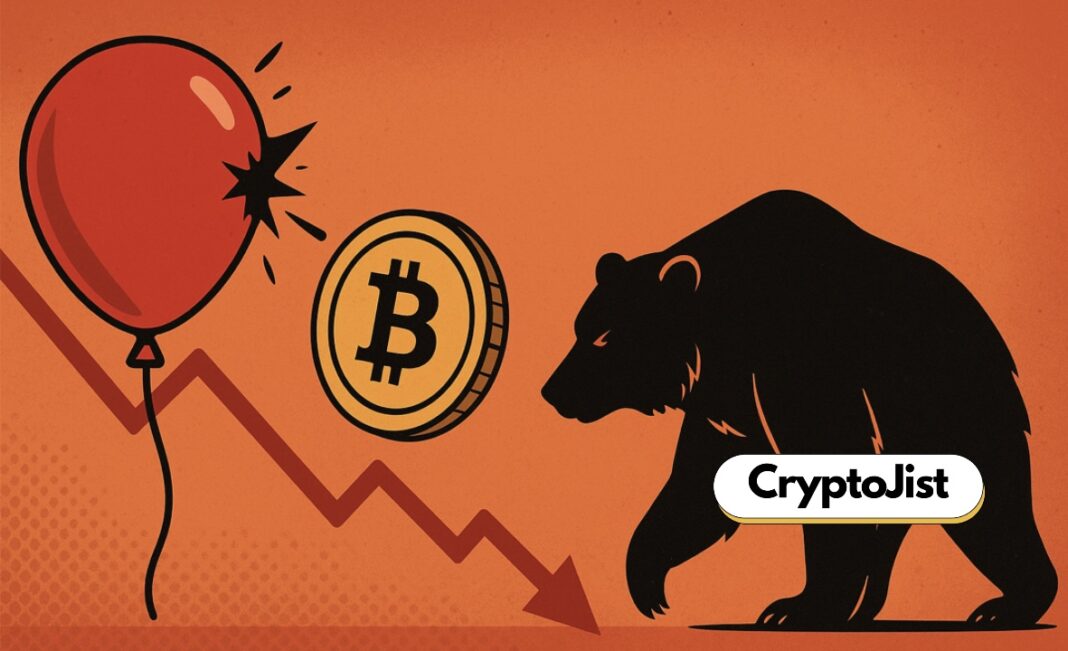
Then Thursday morning hit different. Bitcoin crashed below $90,000. The entire crypto market bled out about 3% overnight. The total market cap is sitting at $3 trillion now.
Let me break down what actually happened and why the crypto market crash caught so many people by surprise.
So What Actually Went Wrong?
The Federal Reserve did its thing on Wednesday afternoon. Quarter-point rate cut, no drama. Polls on Kalshi and Polymarket showed a 97% chance of this happening. Traders knew it was coming for weeks.
Bitcoin even rallied before the announcement. It hit $94,700 on the day of the Fed meeting. Everything looked great.
Then Wednesday turned into Thursday, and boom – Bitcoin dropped hard. We’re talking about a slide from $94,700 down to under $90,000. The total crypto market cap shrank to around $3 trillion.
But here’s the weird part. The Fed didn’t just cut rates. They also said they’re starting quantitative easing again in January. That means buying $40 billion of government bonds every month. More money flowing into the system should help crypto, not hurt it.
So why did prices tank?
Three Reasons Behind the Crypto Market Crashing
Traders Bought Early and Sold on the News
You’ve probably heard the old Wall Street saying, “Buy the rumor, sell the news.” That’s exactly what happened here.
When everyone knows good news is coming, smart money gets in early. Prices go up before the actual event. Then, when the announcement drops, those same traders cash out and lock in profits.
Bitcoin climbed for days leading up to the Fed meeting. Once Jerome Powell finished talking, the exit doors got crowded fast. It didn’t matter if the news was good – people were ready to sell.
Bitcoin’s Charts Were Already Looking Sketchy
Before the Fed even made its announcement, Bitcoin’s price charts were showing some ugly patterns. There was a death cross forming. The price stayed below important moving averages. Technical traders call these bearish signals.
Anyone watching the charts could see that Bitcoin was vulnerable. The Fed decision just gave sellers the green light they were waiting for.
I’ve watched crypto markets long enough to know that technical setups matter. When the charts look weak, even good news can’t save prices.
Everyone’s Still Pretty Nervous
Check the Crypto Fear and Greed Index right now. It’s at 29 – that’s in the fear zone. Earlier this month, it dropped all the way to 8, which was basically panic mode.

When fear runs high, markets get choppy. Small news events trigger big price swings. Traders get jumpy and hit the sell button fast.
Right now, there’s just not enough confidence to sustain a rally. People are worried about too many things.
The Fed’s Future Plans Look Less Exciting
Here’s what a lot of people missed in all the Fed news. The dot plot – that’s where they show their plans for future rate cuts – only predicts one more cut in 2026 and one in 2027.
That’s it. Just two more cuts over the next two years. A lot of crypto bulls were hoping for more.
Plus, Jerome Powell’s term ends next year. Trump gets to nominate a new Fed chair. Nobody knows what that person’s policies will look like. Markets hate uncertainty like this.
Some analysts think traders will start ignoring Powell and focusing on whoever Trump picks instead. That creates this weird situation where we basically have two Fed chairs for a while.
What Comes Next for Bitcoin and Crypto
Bitcoin needs to get back above $96,000 to flip bullish again. Right now it’s stuck between $88,000 and $94,500. Whichever way it breaks out of that range tells us where we’re heading next.
Ethereum is holding up a bit better after its recent upgrade. But altcoins? They’re getting crushed. Meme coins especially are down double digits. Smaller projects are bleeding out.
Volatility measurements show things might calm down soon. But “calm” in crypto still means wild swings compared to normal markets.
Maybe This is Actually Good News for Buyers
Crashes suck if you’re already holding coins. But they create opportunities.
Prices are lower now than they were a week ago. If you believe in crypto long-term, pullbacks like this let you buy at better prices. Warren Buffett’s famous quote applies here: “Be greedy when others are fearful.”
The fundamentals haven’t changed. Big banks are still launching crypto products. Institutions are still buying Bitcoin. The technology keeps improving.
Short-term price action doesn’t change the long-term story.
That said, large wallet holders have been selling for months. The on-chain data shows whales moving coins to exchanges, not accumulating. That’s usually not what you see at major bottoms.
So maybe we’re not done dropping yet. Hard to say.
The QE Factor Nobody’s Talking About
Remember how I mentioned the Fed’s starting quantitative easing in January? That’s actually a big deal.
They’re injecting $40 billion monthly into the financial system. That money has to go somewhere. Some of it will eventually find its way into risk assets like Bitcoin and stocks.
The catch? It takes time. Liquidity doesn’t flow instantly. The Fed makes an announcement in December, but the real effects show up months later.
Markets are impatient. They want results now. That’s why we saw selling yesterday instead of buying.
Give it a few months, though, and that extra liquidity could fuel the next rally. At least that’s what the bulls are betting on.
Why did Bitcoin drop after the Fed cut rates?
Traders took profits after prices ran up before the meeting. The charts also looked weak, and the Fed’s future plans showed fewer rate cuts than people hoped for. Classic case of buying the rumor and selling the news.
Will Bitcoin recover from this crash?
It needs to break above $96,000 to confirm bulls are back in control. Below $88,000 and we’re probably headed lower. The $88K-$94K range is where the fight’s happening right now.
What does quantitative easing mean for crypto prices?
The Fed’s buying $40 billion of bonds monthly starting in January. That adds liquidity to the system, which historically has been good for risk assets like Bitcoin. But the effect takes months to show up, not days.
Get the news in a Jist. Follow Cryptojist on X and Telegram for real-time updates!
Disclaimer:
Look, we’re just journalists reporting the news here, not your financial advisors. Everything you read above is for information purposes only. Crypto is wild, unpredictable, and can absolutely wreck your savings if you’re not careful. Never invest money you can’t afford to lose. Seriously, we mean it. Do your own research, talk to actual licensed financial professionals, and remember that past performance means absolutely nothing when it comes to future results. The crypto market can turn on a dime, and what’s hot today might be toast tomorrow. We’re not responsible for your investment decisions, good or bad. Trade smart, stay safe, and don’t bet the farm on anything you read on the internet, including this article.

 Bitcoin
  Ethereum
  Tether