


The Financial Services Commission (FSC) in South Korea has commenced an investigation into the transaction fees levied by local cryptocurrency exchanges. The objective of this inquiry is to determine if a reduction in fees is necessary to decrease trading expenses for users. This decision directly reflects President Lee Jae-myung’s campaign commitment to making crypto trading more cost-effective.
The FSC plans to examine the fees charged by prominent cryptocurrency exchanges, including Upbit, Bithumb, and Coinone. The government’s intention is to benchmark these domestic charges against international rates to assess fairness. This investigation comes amidst concerns about what some consider prohibitively high transaction costs, which particularly impact younger investors, a significant demographic within the South Korean crypto market.
Presidential Mandate Drives Crypto Reforms
South Korea’s new president, Lee Jae-myung, has prioritized policies supportive of the crypto sector. During his campaign, he explicitly pledged to lower trading fees to enhance accessibility. President Lee has stated that reducing transaction costs will make digital assets more inclusive, while also emphasizing economic growth as a key national priority.
This fee investigation is part of a broader governmental effort to regulate and expand South Korea’s crypto industry. Other initiatives under consideration include policies related to on-chain stablecoins and spot Bitcoin ETFs. These measures collectively aim to curb capital outflow and stimulate the domestic market, which experienced a significant outflow of 56.8 trillion won in assets earlier this year.
Regulatory Landscape and Market Implications
South Korea operates under a stringent crypto regulatory framework. The Virtual Asset User Protection Act, which came into effect in July 2024, introduced rigorous regulations for exchanges. Recent enforcement actions have included probes into KYC (Know Your Customer) compliance breaches at platforms like Upbit and penalties for non-compliant websites.
The outcome of the fee investigation could significantly reshape the market. Lower charges have the potential to attract a greater number of retail investors, leading to increased trading volumes. However, enhanced regulation also places financial strain on exchanges; for instance, Upbit reportedly incurred 272 million won in supervisory fees last year.
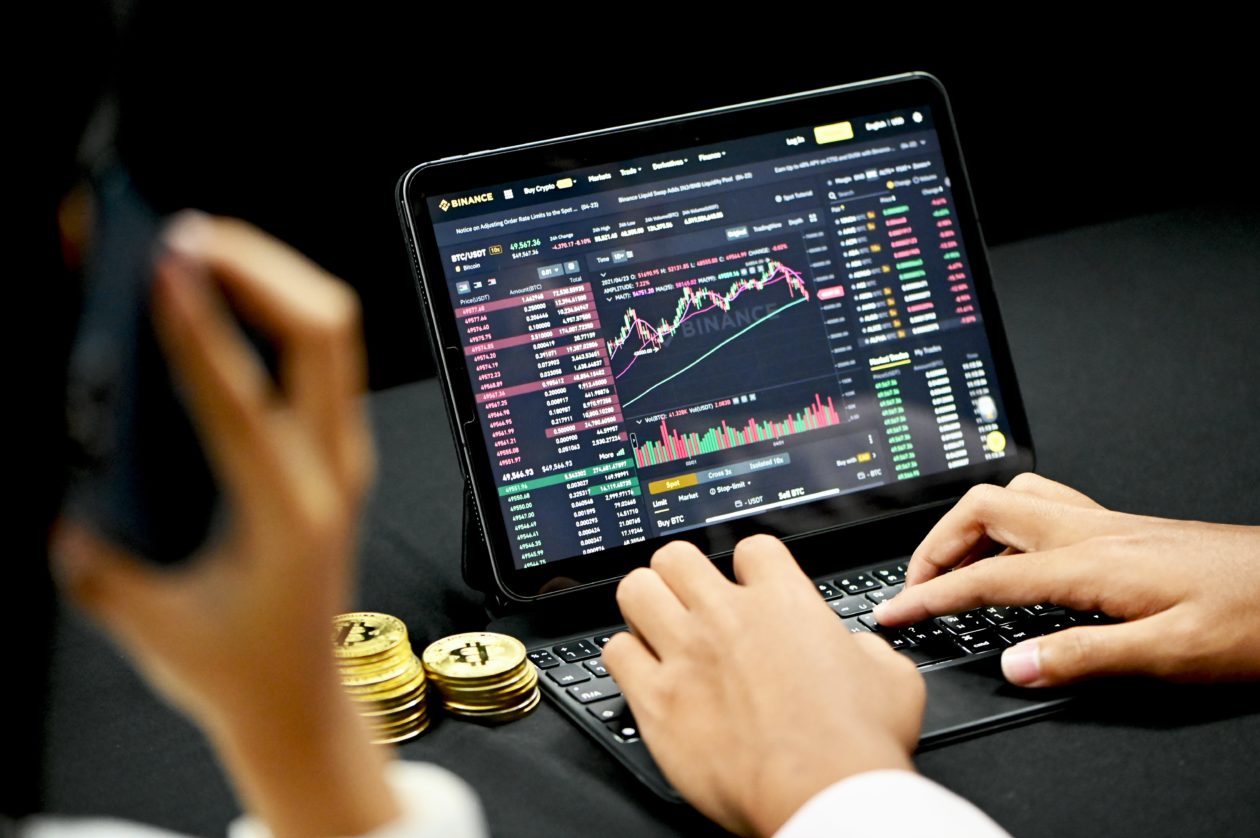
International exchanges, such as Binance, often feature lower fee structures, setting a precedent for the FSC’s consideration. This investigation may compel local platforms to adopt more competitive pricing. While this would generally benefit users, it could pose challenges for smaller exchanges struggling to meet increasing regulatory compliance requirements.
High fees have been a deterrent for some South Korean crypto traders. The FSC’s inquiry seeks to address this, but successful implementation will require a delicate balance. Exchanges must maintain profitability while adhering to the supervisory demands of the Virtual Asset User Protection Act.
Furthermore, this inquiry could influence the global perception of the South Korean crypto market. As a major digital asset hub in Asia, the country’s policy reforms often set an example. For instance, evolving ETF regulations in Japan have previously prompted policy discussions in South Korea.

 Bitcoin
  Tether