


President Donald Trump is preparing to authorize a sweeping expansion of the U.S. retirement investment landscape by allowing Americans to allocate a portion of their 401(k) savings into alternative assets such as cryptocurrencies, gold, and private equity.
According to insiders familiar with the plan, an executive order could be signed as early as this week. This directive would instruct key regulatory agencies in Washington to evaluate and eliminate remaining barriers that prevent alternative investments from being included in managed retirement funds.
The move would mark a significant shift in how the country’s $9 trillion retirement market operates, which has traditionally been limited to publicly traded stocks and bonds. Trump’s proposed changes aim to open that market to a broader range of assets—including digital currencies, infrastructure funds, and private lending vehicles.
In a statement provided to the media, the White House said:
“President Trump is committed to restoring prosperity for everyday Americans and safeguarding their economic future. No decisions should be considered official unless they come directly from the President himself.”
Currently, 401(k) plans—one of the most common retirement saving tools for American workers—allow employees to invest a portion of their salaries on a tax-deferred basis. Nearly all of these contributions go into public stock and bond markets.
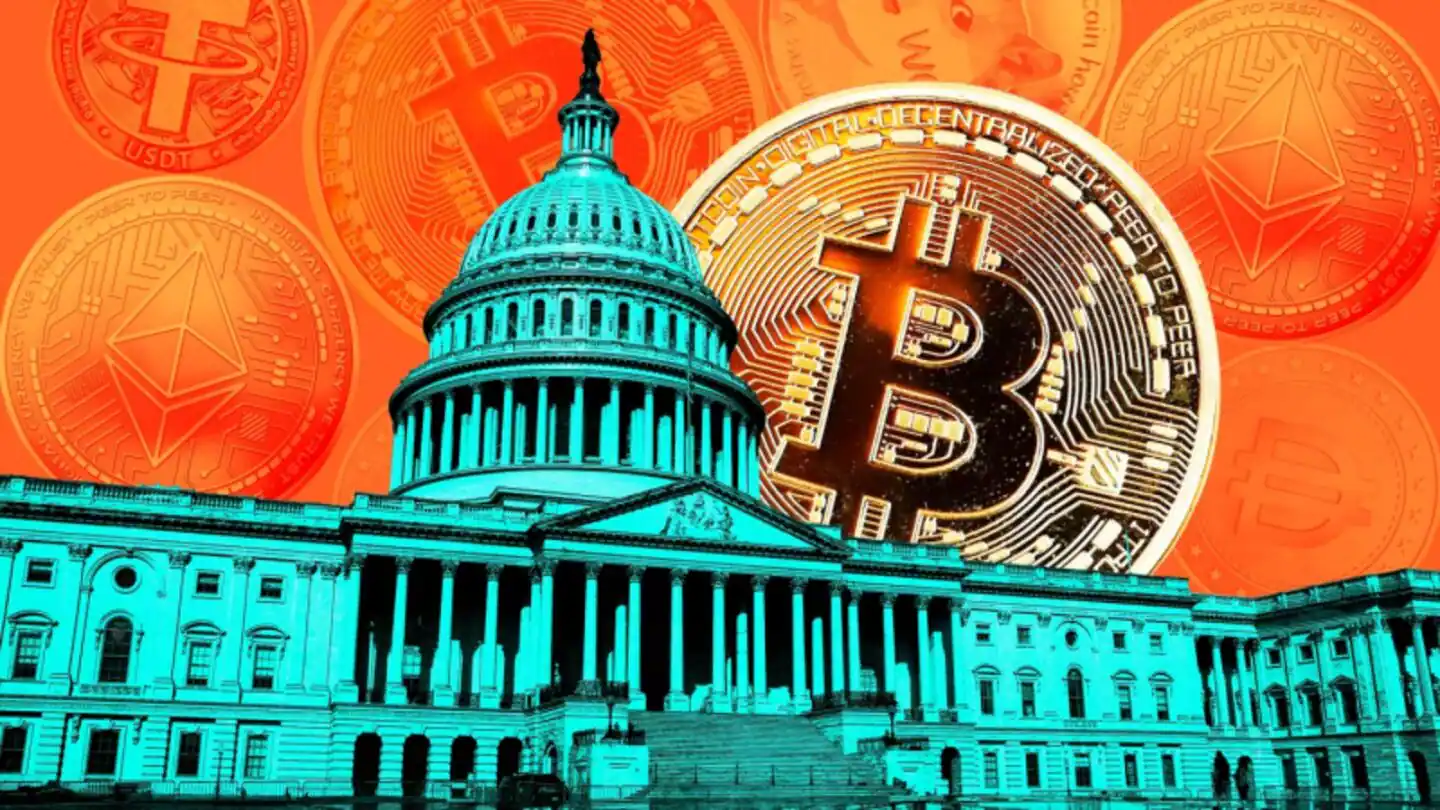
This executive order would further Trump’s ongoing efforts to integrate cryptocurrency into mainstream finance. His administration has already softened its approach toward digital asset companies, dropping high-profile enforcement actions. Additionally, the House recently passed several cryptocurrency-related bills aligned with Trump’s broader vision for the industry.
During his 2024 campaign, Trump promised to dismantle what he called “excessively restrictive” crypto regulations. He credits the digital asset industry for helping secure his electoral victory. His administration has already reversed a previous Department of Labor policy—dating back to the Biden administration—that discouraged crypto as a retirement investment option.
Trump and his family have also taken an active role in the crypto market, with their media company reportedly purchasing more than $2 billion worth of digital assets like Bitcoin. They’ve also launched their own stablecoin and other tokenized assets.
The executive order could significantly benefit major private capital firms such as Blackstone, Apollo, and BlackRock, which have been advocating for broader access to retail retirement funds. These firms view retail investors, including 401(k) contributors, as a crucial growth avenue.
The expected order would prompt the Department of Labor to explore legal protections for retirement plan managers—creating a “safe harbor” that could reduce legal exposure when offering higher-risk, less liquid private assets in retirement portfolios.
Major firms have already begun making moves in anticipation of such a policy change. Blackstone has partnered with Vanguard, while Apollo and Partners Group have linked up with Empower, a significant 401(k) administrator. BlackRock is working with Great Gray Trust to expand its presence in the retirement plan space.
Although the move opens new doors for alternative assets, it also introduces potential challenges. Investments like private equity and crypto typically carry higher fees, reduced liquidity, and less transparency compared to public markets. These factors could raise concerns among regulators and investors alike, particularly those nearing retirement.
Nonetheless, with institutional funding slowing in recent years, private capital firms are eager to tap into the vast pool of retirement savings—and Trump’s administration appears ready to give them that opportunity.

 Bitcoin
  Tether
  BNB
BNB 