


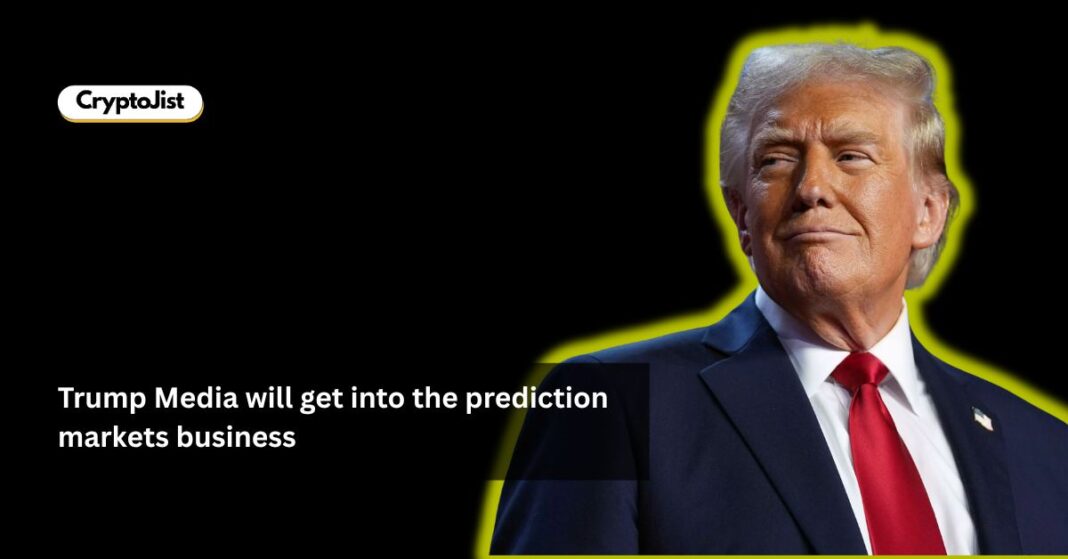
U.S. Senators have launched a major push for the Trump Binance pardon investigation. Lawmakers argue that the pardon of Changpeng Zhao (often called “CZ”), founder of Binance, raises grave concerns about justice, crypto regulation and the integrity of the pardon power. The calls centre on the notion that the pardon could send a message of impunity to actors in the crypto sector and beyond.
The call for investigation
A group of Democratic senators sent a formal letter to the U.S. Department of Justice and the U.S. Department of the Treasury demanding transparency and accountability as part of the Trump Binance pardon investigation.
The letter states:
“The pardon … seems likely to encourage, rather than discourage, criminal activity.”
It notes that Binance pleaded guilty in 2023 to U.S. federal charges and that Zhao himself admitted to failing to maintain an effective anti-money-laundering programme.
The senators emphasise that as the large crypto-exchange weighs heavily on global markets, the implications of the pardon are far beyond the U.S. alone.

Alleged ties and timeline
The investigation into the Trump Binance pardon investigation highlights a timeline of business and political connections:
- In late 2024, the Trump-linked company World Liberty Financial (WLF) launched its stablecoin, USD1, reportedly using the Binance Smart Chain.
- A UAE-based investor known as MGX Financial invested around US $2 billion in Binance using stablecoins tied to WLF.
- Shortly thereafter, the pardon of Zhao was granted by Donald J. Trump.
These overlapping business links form the backbone of the senators’ concerns that the pardon may be less about justice and more about relationships and influence.
Why it matters globally
The scope of the Trump Binance pardon investigation extends well beyond U.S. domestic law enforcement. Here’s why:
- Binance is the world’s largest cryptocurrency exchange by trading volume, connecting users globally. A pardon signals a precedent for how regulatory breaches might be treated.
- It touches on global money-laundering risks and sanctions compliance, key issues for many countries enforcing crypto regulation.
- The case underscores how crypto, politics and international finance intersect, adding complexity for regulators and firms operating across borders.
As the world watches, major crypto markets such as Europe and Asia will take cues from how this U.S. investigation plays out.
What’s next
Under the Trump Binance pardon investigation, here’s are the following things we can expect:
- The DOJ and Treasury must respond to the Senate’s questions by the requested deadlines.
- A resolution, S.Res.466, has been introduced in the Senate to condemn the pardon and reinforce broader oversight mechanisms.
- Crypto firms and investors will closely monitor regulatory responses for implications around accountability, clearance and enforcement in the crypto industry.
Implications for stakeholders
Crypto companies: The investigation may lead to stricter enforcement and higher standards for transparency and AML (anti-money-laundering) controls.
Political actors: It highlights the risks of entangling personal business interests with public office and regulatory power.
International regulators: The outcome will influence how cross-border crypto enforcement is coordinated.
Conclusion
The Trump Binance pardon investigation is a landmark moment for the crypto industry, the U.S. enforcement architecture and global finance. By challenging the pardon of a major crypto leader, U.S. senators are raising questions of fairness, regulation and influence. The unfolding inquiry will shape precedents for years to come.
For more context on the former president’s remarks and his justification for the decision, read our detailed coverage: Trump defends Binance founder after pardon, says “what he did is not even a crime”.
Get the news in a Jist. Follow Cryptojist on X and Telegram for real time updates!
 Bitcoin
  Tether
  BNB
BNB 